

Does Exercise Improve Sperm Quality?
Exercise is often recommended for overall health, but many men wonder whether physical activity truly affects fertility—or if it can actually harm it when taken too far. The research offers a clear answer: exercise can improve sperm quality when done in the right amount, but extremes may work against fertility goals.
Understanding how exercise sperm count and reproductive hormones interact allows men to use movement as a powerful tool for fertility support rather than a source of stress or confusion.
How Exercise Influences Male Fertility
Sperm production is closely tied to metabolic health, hormone balance, and inflammation—all of which are strongly influenced by physical activity.
Moderate, consistent exercise has been shown to:
- Improve testosterone regulation
- Reduce insulin resistance
- Lower systemic inflammation
- Decrease oxidative stress
These benefits create a healthier environment for sperm development.
Exercise and Sperm Count: What the Research Shows
Multiple studies have found that physically active men tend to have:
- Higher sperm concentration
- Improved motility
- Lower rates of abnormal morphology
In one large observational study, men who exercised moderately at least three times per week had significantly better semen parameters than sedentary men.
This suggests that exercise sperm count is positively influenced by regular movement, particularly when paired with adequate recovery.
Why Testosterone Matters
Testosterone is essential for sperm production. Exercise supports testosterone levels through:
- Improved insulin sensitivity
- Reduced visceral fat
- Lower cortisol levels
Men with higher body fat percentages often have lower testosterone due to increased estrogen conversion in adipose tissue. Exercise helps reverse this hormonal imbalance.
Working Out and Fertility: Finding the Right Balance
While moderate exercise supports fertility, working out fertility becomes more complicated when exercise intensity or duration becomes excessive.
When Exercise May Hurt Fertility
Overtraining—particularly in endurance sports—has been associated with:
- Reduced testosterone
- Suppressed LH and FSH hormones
- Decreased sperm concentration
Long-distance runners and competitive cyclists who train intensely without adequate recovery may experience temporary reductions in sperm quality.
This doesn’t mean endurance sports are inherently harmful—but recovery, nutrition, and training volume matter greatly.
Best Types of Exercise for Sperm Health
Not all workouts affect fertility the same way.
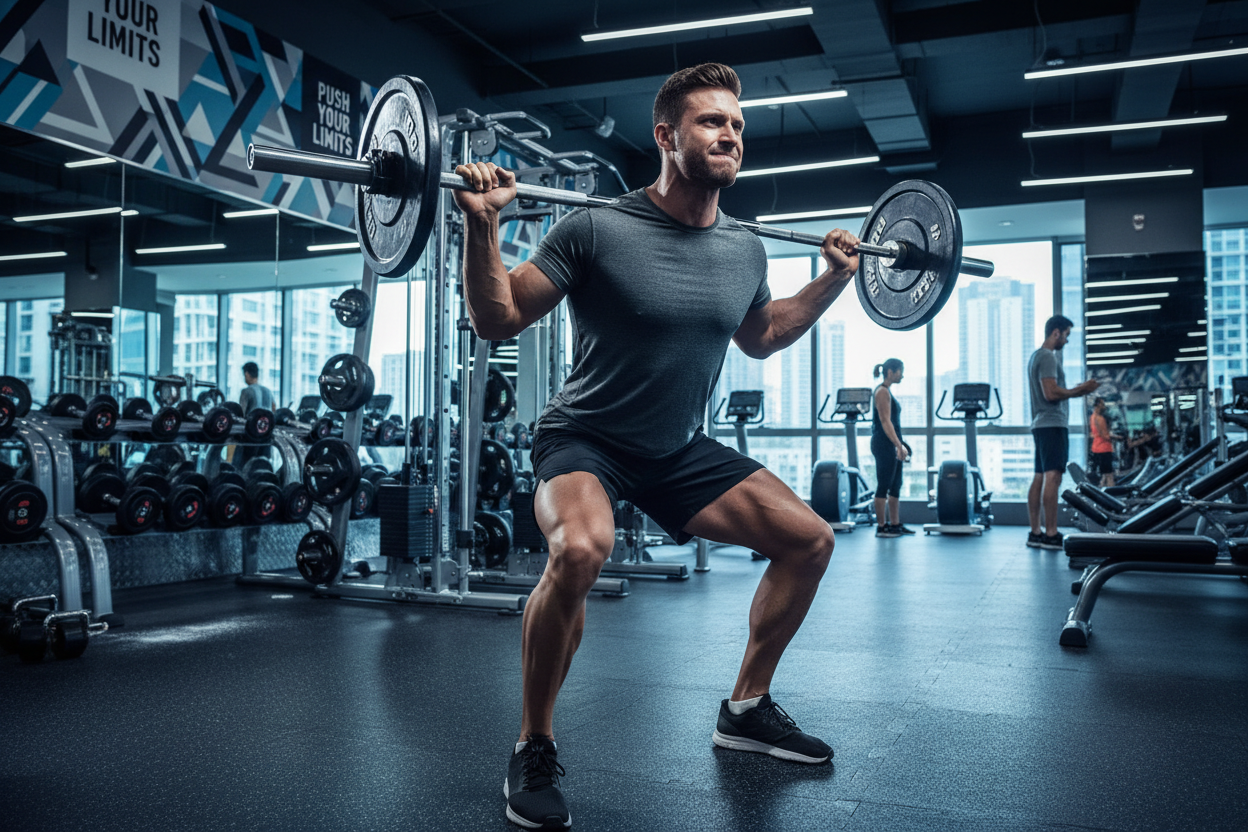
Strength Training
Resistance training supports testosterone production and lean muscle mass. Two to four sessions per week can:
- Improve hormonal balance
- Enhance metabolic health
- Support sperm production
Focus on compound movements and avoid excessive volume.
Cardiovascular Exercise
Moderate aerobic exercise such as brisk walking, swimming, or light jogging improves circulation and reduces inflammation without overstressing the body.
Aim for:
- 20–40 minutes
- 3–5 times per week
High-Intensity Interval Training (HIIT)
HIIT may improve insulin sensitivity and cardiovascular health when done sparingly. However, excessive HIIT without recovery can elevate cortisol.
Limit HIIT to:
- 1–2 sessions per week
- Short, controlled intervals
Yoga and Mobility Work
Yoga, stretching, and mobility training reduce stress hormones and improve circulation—often overlooked but highly beneficial for fertility.
Exercise, Stress, and Sperm Quality
Chronic stress negatively impacts fertility by increasing cortisol, which suppresses reproductive hormones. Exercise helps regulate stress—but only when it’s not excessive.
Men who feel constantly exhausted, sore, or unmotivated may be overtraining, even if their workouts appear “healthy” on paper.
Signs you may need more recovery include:
- Poor sleep
- Decreased libido
- Persistent fatigue
Body Weight, Exercise, and Fertility
Both underweight and overweight men may experience reduced sperm quality.
Exercise supports fertility by:
- Reducing excess body fat
- Improving metabolic health
- Supporting hormonal regulation
Men with obesity who adopt regular exercise routines often show improvements in sperm count and motility within several months.
How Soon Can Exercise Improve Sperm?
Because sperm take roughly 74–90 days to mature, improvements in semen parameters typically appear after 2–3 months of consistent exercise habits.
This timeline is why fertility specialists recommend starting exercise routines well before attempting conception.
Common Exercise Myths and Male Fertility
Myth 1: More Exercise Is Always Better
Excessive training can impair fertility. Balance matters more than volume.
Myth 2: Only Cardio Helps Fertility
Strength training plays a critical role in testosterone and sperm production.
Myth 3: Exercise Can Fix Everything
Exercise works best when combined with good nutrition, sleep, and stress management.
Practical Fertility-Friendly Exercise Guidelines
- Exercise most days, but vary intensity
- Prioritize recovery and sleep
- Avoid excessive endurance training during conception efforts
- Listen to your body’s signals
Supporting Fertility Without Pressure
Exercise should support fertility—not become another source of stress. Men often benefit most from routines they enjoy and can maintain long-term.
At Fertile Fruit, we encourage men to view movement as part of a holistic fertility approach that includes nutrition, lifestyle, and awareness—not perfection.
The Takeaway
- Moderate exercise improves sperm count and quality
- Overtraining may temporarily reduce fertility
- Strength training and moderate cardio are ideal
- Consistency matters more than intensity
Working out fertility isn’t about extremes—it’s about creating a healthy, supportive environment for sperm development.


