

In Good Health
The Ultimate Pre-Conception Checklist for Men
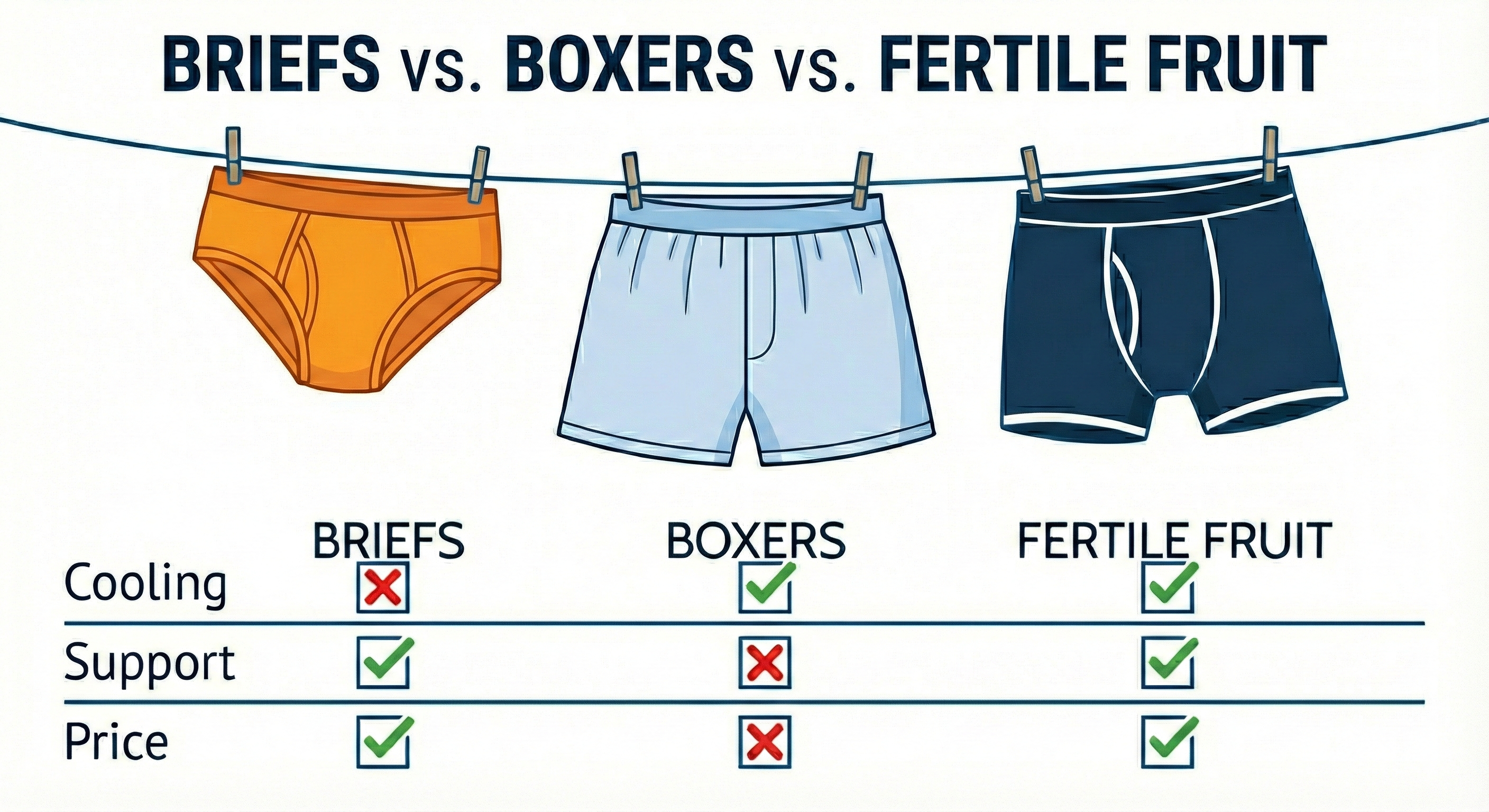
Embarking on the journey to parenthood is an exciting time, and it’s a journey that involves both partners equally. While much of the focus is often placed on female fertility, male health plays a critical 50% role in conception. Taking proactive steps to optimize your fertility can significantly improve your chances of starting a family. This pre-conception checklist for men covers the essential areas you should focus on, from lifestyle adjustments to the clothes you wear. Understanding the Signs of Male Infertility Before diving into improvements, it’s helpful to be aware of potential red flags. The signs of male infertility are not always obvious. For some men, they can include issues with sexual function (like difficulty with ejaculation or low libido), pain or swelling in the testicular area, or respiratory infections. Hormonal imbalances can also be a sign, potentially leading to decreased facial or body hair. However, for many men, there are no outward signs at all. The only true indicator is the inability to conceive after a year of trying. This is why being proactive about your health is one of the most powerful ways to improve male fertility, even if you don't suspect any issues. Natural Remedies for Male Infertility and Lifestyle Tweaks The good news is that sperm health can be significantly influenced by your habits. Adopting a healthier lifestyle is one of the most effective natural remedies for male infertility. Start with regular, moderate exercise—activities like jogging, swimming, or cycling can boost antioxidant enzymes, which protect sperm. It’s also crucial to manage stress, as high levels of the stress hormone cortisol can negatively impact testosterone and sperm production. Prioritize getting 7-9 hours of quality sleep per night, as this is when your body regulates key reproductive hormones. Lastly, avoid toxins like tobacco, excessive alcohol, and illicit drugs, as they are well-known to damage sperm quality and quantity. Fuel Your Body to Increase Sperm Volume What you eat directly impacts your sperm. To increase sperm volume and improve overall quality, focus on a diet rich in antioxidants, vitamins, and minerals. Foods packed with Vitamin C (citrus fruits, bell peppers), zinc (oysters, pumpkin seeds), selenium (Brazil nuts, fish), and folate (leafy greens, beans) are fantastic for sperm health. Omega-3 fatty acids, found in walnuts and fatty fish like salmon, are also crucial for the formation of healthy sperm cells. Think of your diet as the fuel for your future family—give your body the premium nutrients it needs to perform at its best. The Underwear Debate: Choosing the Best Underwear for Male Fertility It might seem like a minor detail, but what you wear can make a difference. The testes are located outside the body for a reason: they need to stay slightly cooler than the core body temperature for optimal sperm production. Tight-fitting underwear can press the scrotum against the body, raising the temperature and potentially hindering sperm development. This is where choosing the right male fertility underwear comes in. The best underwear for male fertility are typically loose-fitting styles like boxers or relaxed-fit boxer briefs made from breathable fabrics like cotton or modal. This sperm friendly underwear allows for better air circulation, helping to maintain the ideal cooler temperature needed for healthy sperm production. Making these changes is an empowering way to take control of your fertility journey. By following this checklist, you are not just improving your own health, but you are making a vital investment in the future of your family.
Learn moreA Team Approach: How to Talk to Your Partner About Male Factor Infertility
The fertility journey is a path you walk as a couple, but opening up about male infertility can feel like one of the loneliest steps. It’s a conversation filled with emotion, vulnerability, and fear. However, approaching it with empathy and teamwork can strengthen your bond and turn a challenge into a shared mission. Here’s how to start that important conversation. Set the Stage for Connection Before you say a word, choose the right time and place. Don't bring it up after a long, stressful day or five minutes before you need to rush out the door. Find a calm, private moment where you won’t be interrupted. Making a cup of tea or going for a quiet walk can create a comfortable atmosphere, signaling that you want to connect and talk about something important without pressure. Frame It as "Our" Journey One of the biggest hurdles for men struggling with fertility is the feeling of personal blame. When you talk to your partner, consciously use words like "we," "us," and "our." Instead of saying, "I have a low sperm count," try, "It looks like we have a hurdle to overcome on the male side." This simple shift in language frames male infertility not as one person's problem, but as a shared challenge you will face together, reinforcing that you are a team. Share Your Feelings, Not Just the Facts It’s easy to hide behind the clinical details of a diagnosis. But your partner needs to know how you feel. Are you scared? Disappointed? Frustrated? Sharing your emotions invites your partner in and gives them permission to share theirs, too. This vulnerability builds intimacy and ensures you’re not just problem-solving, but emotionally supporting one another through a difficult time. Acknowledging the emotional weight is a powerful form of male fertility support within your relationship. Focus on Proactive Next Steps, Together After you’ve shared the news and your feelings, gently pivot the conversation toward action. This shows you’re committed to moving forward. You can say, "I've been researching ways we can tackle this. There are lifestyle changes, supplements, and even simple things like wearing male fertility underwear to help create a better environment." By presenting solutions, you transform the conversation from one of despair to one of hope and collaboration, empowering both of you to take the next steps as a united front.
Learn moreDecoding Your Semen Analysis: A Clear Guide to Understanding Your Results
Getting a semen analysis report can feel intimidating. It’s a page full of medical terms and numbers that can leave you feeling more confused than informed. But understanding these results is the first empowered step on your fertility journey. This guide will break down the key parameters so you know exactly what you’re looking at and what you can do next. Sperm Concentration: The Question of Count One of the first numbers you'll see is sperm concentration, which measures how many million sperm are in each milliliter of semen. A related metric is total sperm count. When doctors mention a low sperm count, they're referring to this parameter. While a higher number is generally better, it's only one piece of the puzzle. Many men with a lower-than-average count can still conceive naturally, as the quality of the sperm is just as important as the quantity. Sperm Motility: The Importance of Movement Sperm motility refers to the ability of sperm to move or "swim" effectively. The report will likely mention "progressive motility," which means the sperm are moving forward in a mostly straight line. This is crucial because sperm need to travel through the female reproductive tract to reach and fertilize an egg. Poor motility can be a significant factor in male infertility, but it’s also an area where lifestyle changes and proper support can make a real difference. Sperm Morphology: The Significance of Shape Morphology is all about the size and shape of your sperm. A "normal" sperm has a smooth, oval-shaped head and a long tail, which helps it swim and penetrate the egg. The analysis will show the percentage of normally shaped sperm. It’s common for a high percentage of sperm to be abnormally shaped, so don’t be alarmed by this number. Doctors are looking for a certain threshold of normal forms, as this indicates a better chance of successful fertilization. Your Next Steps: Taking Proactive Control Receiving a diagnosis of male infertility can be tough, but your results are a starting point, not a final destination. For men struggling with fertility, focusing on proactive steps is key. This includes improving your diet, exercising, reducing stress, and creating an optimal environment for sperm production. Simple changes, like switching to the best underwear for male fertility to help regulate temperature, can offer crucial male fertility support. Discuss your results with a specialist and create a plan that empowers you on your path to parenthood.
Learn more
The Science of Scrotal Temperature: Why the Best Underwear for Male Fertility Matters
When trying to start a family, many men focus on major lifestyle changes. But what if one of the most impactful adjustments for men's fertility is also one of the simplest? The science is clear: temperature plays a huge role in sperm production, and your choice of underwear is a key player. Understanding this connection is the first step toward optimizing your reproductive health. The Biology Behind Finding the Best Underwear for Male Fertility The testicles produce sperm through a delicate process called spermatogenesis, which functions best at a temperature of approximately 34∘C (93.2∘F)—a few degrees cooler than the rest of the body. This is precisely why they are located outside the body cavity. When scrotal temperature rises, it can create an environment hostile to sperm development, potentially impairing sperm motility (movement) and morphology (shape). Consistently maintaining a cooler environment is a non-negotiable factor if you want to increase sperm health. The quest for the best underwear for male fertility is really a quest for better temperature regulation. How Male Fertility Underwear Choices Affect Temperature This is where the classic "boxers or briefs" debate becomes critical. Tighter-fitting styles, such as briefs and many boxer briefs, press the testicles against the body. This action traps heat, disrupting the body's natural cooling mechanism and potentially elevating the scrotal temperature into a range that compromises sperm production. Studies on boxer briefs and sperm count have suggested that men who wear looser-fitting underwear, like boxers, often have a higher sperm concentration. The right male fertility underwear allows for airflow and space, helping maintain that crucial lower temperature. Simple Steps to Increase Sperm Count with the Right Underwear Making a change is straightforward. To support your body’s natural sperm production, opt for loose-fitting boxers made from breathable fabrics like cotton. This simple switch helps reduce heat buildup throughout the day. While it's not a magic bullet, choosing the right underwear is a powerful and easy step to increase sperm count and support your overall fertility goals. By combining this change with a healthy diet and lifestyle, you are creating the optimal conditions for conception.
Learn more